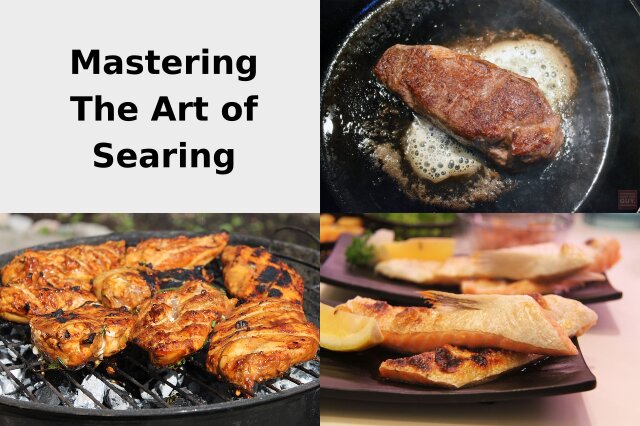
Mastering the Sear: A Culinary Essential and a Force of Intense Sensation
The word "sear" holds a fascinating duality, conjuring images of both exquisite culinary artistry and profound, often painful, intensity. Far from being a simple action, to sear is to transform – be it a succulent piece of meat, a raw emotion, or even the very surface of the earth. This comprehensive exploration delves into the multifaceted nature of searing, from its coveted place in the kitchen to its powerful impact on our physical sensations and lasting memories. Understanding the nuances of the sear means appreciating a force that can delight the palate, inflict immediate pain, or leave an indelible mark on the soul.The Art of the Culinary Sear: Elevating Flavor and Texture
In the culinary world, achieving the perfect sear is often considered the hallmark of a skilled chef. It's the technique responsible for that irresistible golden-brown crust on a steak, the delicate caramelization of scallops, or the vibrant crispness of roasted vegetables. At its core, culinary searing involves exposing food to sudden, very strong heat for a brief period, primarily targeting its surface. The magic behind a successful culinary sear lies in the Maillard reaction – a complex chemical process that occurs when amino acids and reducing sugars react under heat. This reaction is not just about browning; it's a flavor powerhouse, creating hundreds of new aroma and flavor compounds that elevate the dish beyond simple cooked ingredients. Contrary to a long-held myth, searing doesn't "lock in juices." While the intense heat does form a flavorful crust that can help reduce moisture loss, its primary function is flavor development and creating a delightful textural contrast. To achieve that coveted sear, several factors are critical:- High Heat is Non-Negotiable: Your pan must be screaming hot. This means preheating for several minutes, often until a drop of water sizzles and evaporates instantly.
- Dry Surface: Moisture is the enemy of a good sear. Pat your food thoroughly dry with paper towels before placing it in the hot pan. Excess moisture will steam the food rather than sear it, preventing the Maillard reaction.
- The Right Fat: Choose an oil with a high smoke point, such as grapeseed, avocado, or refined olive oil. Butter can be added towards the end for flavor but tends to burn at high searing temperatures.
- Don't Crowd the Pan: Give your food space. Overcrowding drops the pan's temperature, leading to steaming instead of searing. Work in batches if necessary.
- Patience and Minimal Movement: Resist the urge to constantly move or flip the food. Allow it to develop a deep, rich crust before turning.
Beyond the Kitchen: The Intense Physical Sensation of a Sear
While delightful in a culinary context, the direct application of intense heat to the body takes on an entirely different, and often painful, meaning. To sear a part of your body means to burn its surface with a sudden and acute intensity, causing immediate and often severe pain. This can manifest in various ways:- Accidental Burns: Touching a red-hot pan, splashing boiling oil, or coming into contact with a live flame can instantly sear the skin, causing blistering and sharp, localized pain.
- Environmental Hazards: Grass fires can rapidly sear vast landscapes, leaving behind scorched earth. Similarly, the radiant heat from an explosion can tragically sear exposed skin, causing immediate and widespread injury.
- Internal Sensation: Even internally, intense heat can be described as searing. Imagine a sip of scalding hot coffee or broth that instantly sears your throat, leaving a painful burning sensation.
For a deeper dive into how our bodies and minds react to such intense sensations, explore Beyond the Burn: Exploring Sear's Emotional and Physical Impact.
When Memories Sear: The Emotional and Psychological Impact
The concept of a sear extends far beyond the physical, entering the realm of human emotion and memory. Here, "to sear" refers to an event or experience that leaves a strong, unpleasant, and often permanent effect on one's feelings or recollections. Just as a branding iron leaves an indelible mark, certain life events can be "seared" into our consciousness. Traumatic events, profound disappointments, or moments of intense grief can sear themselves into our memories. The vividness and persistence of these recollections make them feel almost physically present. The disaster, the betrayal, or the moment of loss becomes "indelibly seared" into one's mind, shaping perceptions and influencing future actions. This metaphorical use highlights the intensity and lasting nature of such emotional impacts. It speaks to:- Lasting Trauma: Experiences that are so potent they leave a psychological scar, affecting an individual's emotional landscape for years.
- Emotional Hardening: In some rare instances, repeated exposure to searing emotional pain can lead to a sense of being "callous or unfeeling," a defense mechanism where one becomes emotionally hardened or emotionally scarred.
- Vivid Recall: Certain moments are remembered with exceptional clarity, almost as if they happened yesterday, due to the emotional intensity with which they were "seared" into the mind.
The Sear in Specialized Contexts: From Branding to Ballistics
The versatility of the word "sear" also extends into more specialized and historical contexts, showcasing its rich semantic breadth:Branding and Marking
Historically, and still in some contexts today, "to sear" something means to mark it with a hot iron, or to brand it. This was commonly used for livestock to indicate ownership, where the intense heat left a permanent, unmistakable mark. This application directly relates to the physical burning aspect but with a specific purpose of identification or ownership. The resulting mark is literally a sear.Wither and Dry Up
The Firearms Sear
In a completely different technical application, a "sear" in the context of firearms refers to a specific mechanical component. It is a pivoted piece within the firing mechanism that holds the hammer or firing pin at full cock or half cock. This tiny, yet crucial, component is responsible for holding the firing pin back until the trigger is pulled, releasing the stored energy. This usage, while distinct, still carries a subtle resonance with the idea of a "catch" or a "hold" that, once released, enables a powerful action.To explore the fascinating array of definitions and applications of this powerful word, check out our article The Many Definitions of Sear: Fire, Feelings, and Firearms.
Achieving the Perfect Sear: Practical Tips for Culinary Success and Safety Awareness
Whether you're aiming for culinary excellence or simply navigating everyday life, understanding the power of a sear comes with practical implications.For the Culinary Enthusiast:
- Invest in the Right Tools: A heavy-bottomed pan, like cast iron or stainless steel, retains heat exceptionally well, which is crucial for a consistent sear.
- Temperature Control: Learn to recognize your pan's hot spots. For gas stoves, center your pan. For electric, give it ample time to fully heat.
- Seasoning is Key: For meats, a light coating of salt and pepper before searing enhances the crust and flavor.
- Rest Your Meat: After searing and cooking to desired doneness, always rest your meat. This allows juices to redistribute, resulting in a more tender and flavorful product.
- Deglaze for Sauce: Don't let those flavorful browned bits (fond) go to waste! After removing your seared food, add a liquid (wine, broth) to the hot pan, scraping up the fond to create a delicious pan sauce.
For Safety and Awareness:
- Beware of Splatter: High-heat cooking often leads to oil splatter. Use a splatter guard or long-handled tongs to protect yourself.
- Ventilation: Searing can produce a lot of smoke. Ensure good ventilation in your kitchen by turning on your range hood or opening a window.
- First Aid Preparedness: In case of minor burns, immediately run the affected area under cool (not cold) water for several minutes. For more severe burns, seek medical attention.
- Respect the Heat: Always remember the intense physical effect of a sear. Handle hot pans and food with extreme caution.